Indian Wedding Food: How to Build a Menu Guests Will Remember
An Indian wedding is a celebration of many things—love, family, traditions, new beginnings, laughter, music, and togetherness.
And then there is the food.
From the first welcome drink to the last sweet, food plays an important role in the experience of an Indian wedding. Guests gather around it, families discuss it, and often, even years later, people remember a wedding by the food they enjoyed there.
But creating a memorable wedding menu isn’t about simply adding as many dishes as possible.
A successful Indian wedding food menu is about balance, variety, quality, timing, presentation, and hospitality.
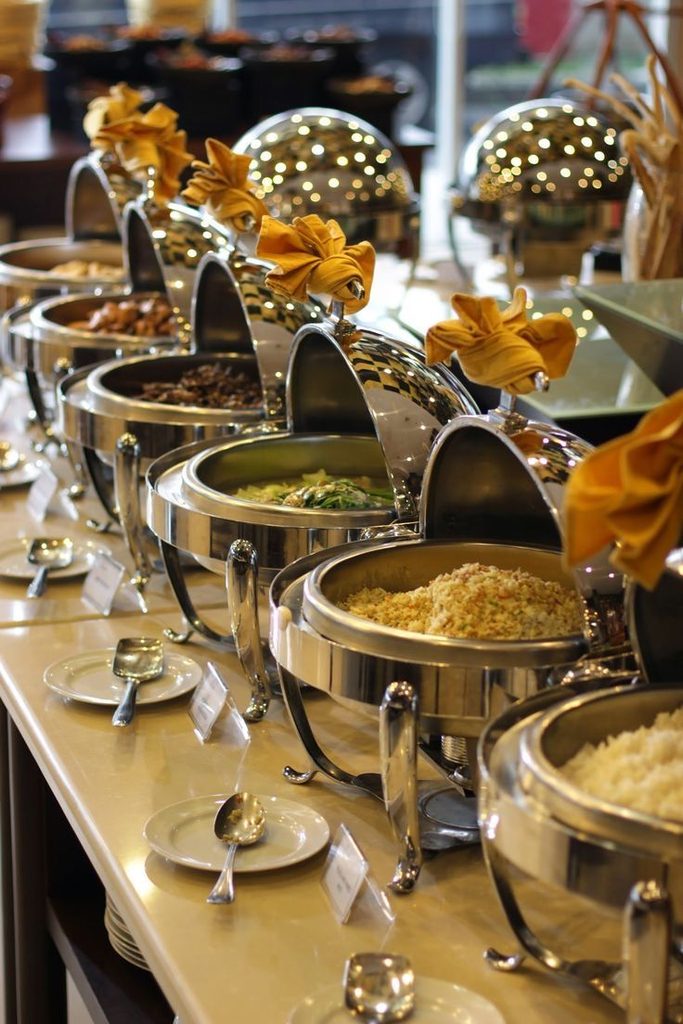
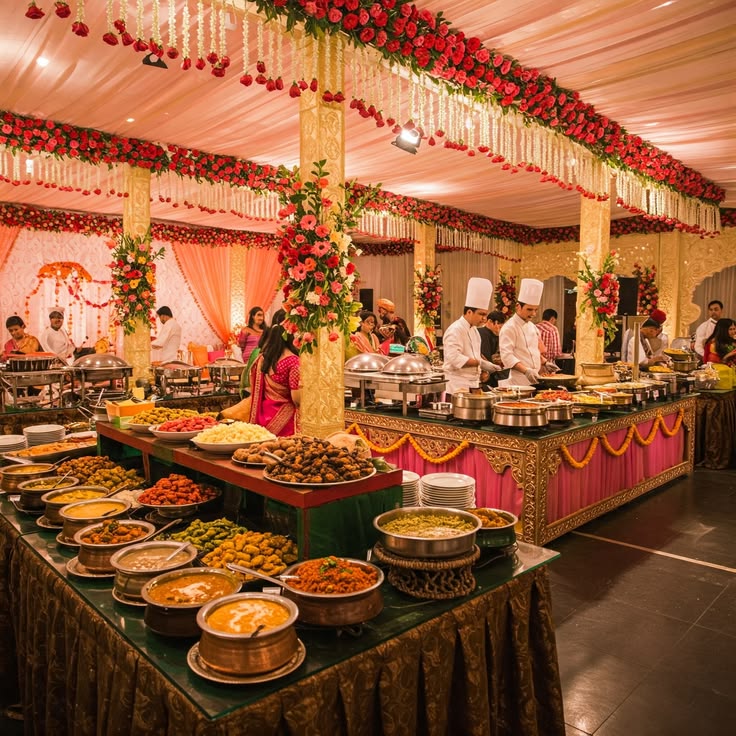
Whether you are planning an intimate family celebration or a large wedding with hundreds of guests, the right menu can make the dining experience feel thoughtful and special.
So, how do you build an Indian wedding menu that guests will genuinely remember?
Let’s explore.
Start With the Wedding, Not Just the Food
Before choosing individual dishes, understand the celebration you are planning.
Every wedding is different.
You may have a:
- Mehndi ceremony
- Haldi function
- Engagement
- Wedding ceremony
- Reception
- Family dinner
- Religious function
- Multiple-day celebration
Trying to use the same menu for every function can make the food experience feel repetitive.
Instead, think about the personality of each event.
A daytime Haldi might suit a lighter and refreshing menu.
A family dinner could focus on comforting traditional dishes.
A reception may call for a more elaborate spread with multiple sections and desserts.
The menu should support the atmosphere of the event rather than compete with it.
Consider the time of day
Timing can influence food choices as well.
A summer afternoon wedding may benefit from refreshing beverages and lighter options, while an evening reception may allow for a richer selection of starters, mains and desserts.
Seasonality matters too.
Fresh, seasonal ingredients can naturally make a menu feel more appropriate for the occasion.
Before selecting dishes, ask yourself:
Who are we serving, what are we celebrating, and when are we serving it?
Those three questions provide a strong foundation for the menu.
Know Your Guests
One of the most important parts of planning Indian wedding food is understanding the people who will be eating it.
Indian weddings often bring together several generations.
Grandparents may prefer familiar traditional dishes.
Parents may look for classic favourites.
Young guests may enjoy contemporary flavours and live food counters.
Children may prefer simple and familiar options.
Some guests may have specific dietary requirements or preferences.
This doesn’t mean you need to create a completely separate menu for everyone.
Instead, aim for variety with purpose.
A balanced menu can include traditional favourites alongside a few contemporary choices, giving guests enough variety without making the buffet unnecessarily complicated.
Don’t confuse variety with quantity
A buffet containing 50 dishes isn’t automatically better than one containing 25 thoughtfully selected dishes.
In fact, too many choices can sometimes make a menu feel unfocused.
The goal is to offer enough variety that different guests can enjoy the meal while maintaining quality across every section.
A memorable menu is not necessarily the biggest menu. It is a well-planned menu.
Build the Menu in Sections
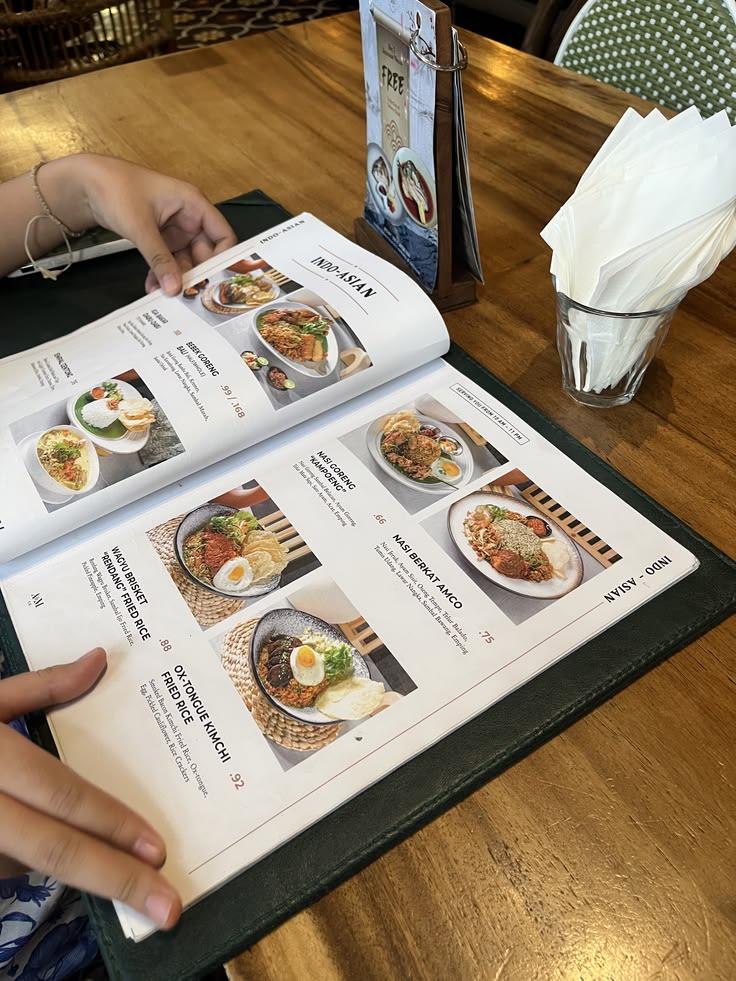
A good Indian wedding buffet should feel easy to explore.
Instead of thinking about individual dishes one at a time, think about the menu as a complete dining journey.
A typical wedding menu may include:
- Welcome beverages
- Starters
- Main course
- Indian breads
- Rice or biryani
- Accompaniments
- Salads
- Desserts
- Traditional Indian sweets
Each section has a role.
Welcome beverages
The first food or drink guests receive can set the tone for the celebration.
Depending on the season and event, options might include traditional Indian beverages, refreshing fruit-based drinks, or other suitable refreshments.
The aim is to welcome guests comfortably while they settle into the celebration.
Starters
Starters can bring variety and excitement to the beginning of the meal.
For an Indian wedding, you might consider a combination of familiar favourites and selected specialities.
The key is balance.
If the main course is extensive, there may be no need to overload the starter section.
Main course
The main course is where the menu needs the most thought.
Rather than selecting several dishes that taste similar, consider creating contrast.
For example, balance:
- Rich and lighter preparations
- Mild and more flavourful dishes
- Different textures
- Different vegetables
- Traditional favourites and selected modern options
This makes the meal more interesting without making it unnecessarily complicated.
Breads and rice
Indian breads and rice are essential parts of many wedding menus.
Depending on the celebration, the menu might include different breads along with rice-based dishes or biryani.
Freshness is particularly important here.
Even an excellent recipe can lose its appeal if breads are not served fresh or rice dishes are not maintained properly during service.
Desserts and sweets
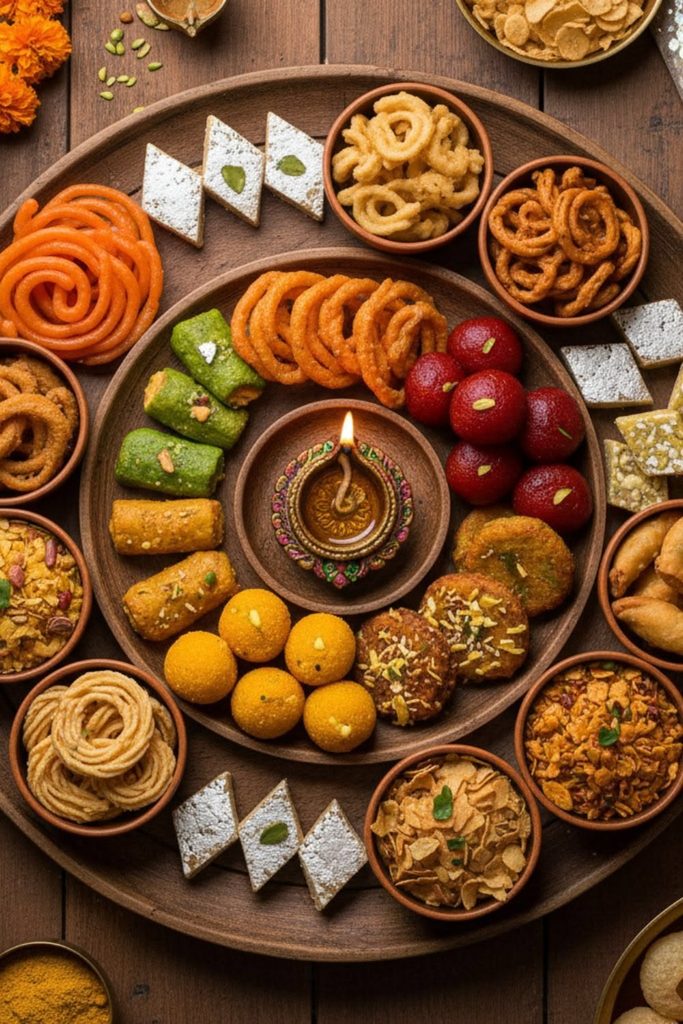
For an Indian wedding, dessert deserves special attention.
Traditional sweets are more than just something to finish a meal.
They can represent celebration, tradition, hospitality and good wishes.
This is also an opportunity to include sweets that connect with the family’s preferences or cultural traditions.
Balance Traditional Flavours With Modern Choices
Indian cuisine is incredibly diverse.
That gives wedding families an opportunity to create menus that feel both familiar and fresh.
You don’t necessarily have to choose between traditional food and contemporary food.
You can combine them thoughtfully.
For example, a menu might include traditional Indian favourites as its foundation while introducing a smaller number of modern dishes or presentation styles.
The important thing is that the modern elements should complement the menu rather than make it feel disconnected.
Keep tradition at the heart
Many families have dishes that are connected to memories.
Perhaps a particular sweet reminds someone of childhood.
Maybe a certain preparation is traditionally served at family celebrations.
Or perhaps the family has a regional speciality that guests look forward to.
These personal and cultural elements can make a wedding menu much more meaningful.
Food becomes memorable when it has a story behind it.
Don’t Forget Regional Indian Cuisine
Indian wedding food doesn’t have to be generic.
India has an extraordinary range of regional cuisines, ingredients, flavours and cooking traditions.
Depending on the family’s background and preferences, a menu can draw inspiration from different parts of the country.
Regional dishes can add character to a celebration while giving guests an opportunity to experience something distinctive.
This can be particularly meaningful when the wedding brings together families from different regions.
Food can become a beautiful way of bringing those traditions to the same table.
Make room for family favourites
If there is a dish that your family considers special, don’t overlook it simply because it isn’t considered a typical “wedding dish.”
Sometimes the most memorable dishes are the ones that have personal meaning.
A thoughtfully chosen family favourite can give the menu an identity of its own.
Plan Vegetarian Options as a Complete Experience
For many Indian weddings, vegetarian food is an important part of the celebration.
But vegetarian catering should not feel like an afterthought.
A good vegetarian wedding menu should have variety across the entire meal.
Think about:
- Vegetarian starters
- Seasonal vegetables
- Paneer preparations
- Dal
- Rich and lighter gravies
- Indian breads
- Rice dishes
- Accompaniments
- Desserts
- Traditional sweets
The goal is to create a menu that feels complete and satisfying.
Guests should not feel that the vegetarian section is simply a smaller version of the main buffet.
When planned carefully, vegetarian Indian cuisine can offer tremendous variety in flavour, texture and preparation.
Consider Live Food Counters Carefully
Live food counters can add an interactive element to an Indian wedding.
Guests can watch food being prepared or finished in front of them, creating a sense of freshness and engagement.
Depending on the event, possibilities can include different types of chaat, Indian breads, regional specialities, desserts, or other freshly prepared items.
But live counters should be selected thoughtfully.
Ask:
- Does the counter suit the event?
- Will guests actually enjoy it?
- Is there enough space?
- Can the catering team manage the queue?
- Will it create unnecessary waiting?
- Does it complement the rest of the menu?
A live counter should enhance the experience—not simply be added because it looks impressive on a menu.
Think About Buffet Flow
Even a beautifully planned menu can become difficult to enjoy if the buffet isn’t organised properly.
Imagine your guests approaching the food area.
Where do they begin?
Are the dishes arranged logically?
Are frequently selected dishes placed where they are easy to reach?
Are beverages separate from the main food flow?
Is there enough space for people to move?
Can the catering team replenish food without disrupting guests?
These details matter.
Create a natural dining journey
A buffet might be arranged so guests can naturally move from beverages and starters toward the main course, accompaniments, breads, rice and finally desserts.
The exact arrangement depends on the venue and menu, but the principle is simple:
Good food should be easy to enjoy.
Buffet planning is therefore not only about presentation. It is also about movement, timing and guest comfort.
Presentation Matters, But Taste Comes First
Beautiful presentation can make a wedding buffet more inviting.
Neatly arranged counters, suitable serving ware, clean labels and thoughtful displays can all contribute to the overall experience.
But presentation should support the food, not replace quality.
The most attractive buffet cannot compensate for food that doesn’t taste good.
A strong wedding menu brings together:
Taste + freshness + presentation + service.
All four contribute to the guest experience.
The best presentation is often not the most elaborate one.
It is the one that makes the food look fresh, appetising and easy to understand.
Plan for Timing and Freshness
Wedding celebrations don’t always run exactly according to schedule.
Ceremonies may take longer than expected.
Guests may arrive at different times.
Photography sessions may delay dinner.
This is why catering planning needs flexibility.
Food should be prepared and managed with the event schedule in mind.
Some dishes may need to be replenished in smaller quantities more frequently rather than putting everything out at once.
Breads and certain freshly prepared items may require particular attention during service.
The catering team should coordinate with the family, venue and event team so that food service matches the flow of the celebration as closely as possible.
Good planning happens behind the scenes so that guests can enjoy a relaxed experience in front of them.
Don’t Forget the Sweets
There is something special about sweets at an Indian celebration.
Mithai can carry memories, traditions and symbolism.
A wedding menu can include traditional sweets that guests recognise and love, along with selected desserts that complement the overall meal.
Depending on the celebration, families may also consider a dedicated sweet counter or thoughtfully presented mithai selection.
Sweets can also become part of wedding gifting.
A beautifully prepared box of traditional sweets can be a meaningful way to thank guests and share the joy of the occasion.
The important thing is to choose sweets that fit the celebration rather than selecting too many simply for variety.
Make the Menu Work With Your Budget
A memorable wedding menu doesn’t require an unlimited budget.
Good planning can make a significant difference.
Instead of trying to include everything, decide what matters most to your family.
Perhaps you want to focus on:
- Traditional dishes
- A particular regional cuisine
- Premium sweets
- Live counters
- A strong vegetarian spread
- Desserts
- Guest experience
Once your priorities are clear, you can build the rest of the menu around them.
Quality over unnecessary quantity
Reducing a few less-important dishes can sometimes allow you to improve the quality and presentation of the dishes guests actually care about.
Talk openly with your caterer about your budget.
An experienced catering team can often help you create a menu that feels generous and complete without becoming unnecessarily complicated.
Remember That Hospitality Is Part of the Menu
When we talk about wedding food, we naturally focus on recipes and dishes.
But there is another ingredient that guests notice:
hospitality.
How are they welcomed?
Are the serving counters clean?
Are staff members attentive?
Is food replenished on time?
Can elderly guests get assistance if needed?
Are children and families able to move comfortably?
Does the team remain polite and helpful throughout the event?
These things can influence how guests remember the meal.
Food may bring someone to the buffet.
Hospitality is what makes them feel welcome there.
A Simple Indian Wedding Menu Planning Checklist
Before finalising your wedding catering menu, consider this checklist:
☐ Guest count estimated
☐ Wedding functions listed separately
☐ Event timings considered
☐ Season considered
☐ Guest age groups considered
☐ Family and regional preferences discussed
☐ Vegetarian menu planned properly
☐ Starters balanced with the main course
☐ Main course has variety without unnecessary repetition
☐ Breads and rice options selected
☐ Desserts and traditional sweets planned
☐ Live counters considered where appropriate
☐ Buffet flow discussed
☐ Food presentation discussed
☐ Service and staffing discussed
☐ Dietary requirements considered
☐ Menu tasting completed where possible
☐ Budget discussed clearly with the caterer
This checklist can help turn a long list of food choices into a more organised menu plan.
What Makes an Indian Wedding Menu Memorable?
When guests talk about wedding food after the celebration, they rarely remember how many dishes were listed on the menu.
They remember the dishes they loved.
They remember the sweets.
They remember a special family favourite.
They remember sitting together and enjoying a meal.
They remember being welcomed.
That is what makes a menu memorable.
A great Indian wedding food menu should therefore aim for:
Variety
Enough choices for different guests without unnecessary repetition.
Balance
Different flavours, textures and types of dishes working together.
Quality
Fresh, well-prepared food served with care.
Identity
Traditional, regional or family elements that make the menu feel personal.
Hospitality
A service experience that makes guests feel respected and welcomed.
When these elements come together, the menu becomes more than a list of dishes.
It becomes part of the celebration itself.
The Annmay Approach to Indian Wedding Food
At Annmay by MSC, we believe that food has a special place in every celebration.
Our philosophy is simple:
“Love Everyone, Serve Everyone and Remember God.”
For us, serving food is closely connected to serving people.
That means paying attention not only to what is on the menu, but also to how the food is prepared, presented and served.
An Indian wedding brings families together across generations, traditions and tastes. We believe the catering experience should respect that diversity while keeping the joy of the celebration at its heart.
Whether the menu is traditional, regional, vegetarian, contemporary, or a thoughtful combination of different influences, the aim should always be the same:
Serve good food with genuine care.
Because a wedding meal is not just about feeding guests.
It is about welcoming them into a celebration.
Final Thoughts
Planning Indian wedding food can seem overwhelming at first.
There are countless dishes to choose from, different family preferences to consider, multiple wedding functions to plan, and practical questions about service, timing and budget.
But the process becomes much easier when you stop trying to create the biggest menu and start trying to create the right menu.
Understand your guests.
Plan according to the function.
Balance traditional and contemporary choices.
Include meaningful family favourites.
Think about vegetarian options.
Choose sweets thoughtfully.
Consider buffet flow and presentation.
And most importantly, work with a caterer who understands that food and hospitality go hand in hand.
Because when the food is thoughtfully planned and warmly served, it becomes more than part of the wedding.
It becomes part of the memory.
Planning Your Indian Wedding Menu?
Your wedding menu should reflect your celebration, your family and the people you are welcoming.
If you are planning a wedding or family celebration and would like to discuss your catering requirements, Annmay by MSC is here to help create a food experience centred around quality, care and hospitality.
Love Everyone. Serve Everyone. Remember God.