Complete Wedding Catering Checklist: From Menu to Guest Service
Planning a wedding involves hundreds of decisions, from choosing the venue and invitations to selecting the décor, music, photography and, of course, the food.
Among all these details, wedding catering deserves special attention.
Food is one of the most memorable parts of an Indian wedding. Guests may forget a particular decoration or how the stage looked, but they often remember the food they enjoyed, the warmth of the service and how comfortable they felt throughout the celebration.
That is why having a clear wedding catering checklist can make the planning process much easier.
A good checklist helps you think beyond the menu. It covers guest numbers, functions, budget, food preferences, service style, hygiene, timing, staffing, desserts and coordination with the venue.
Whether you are planning a traditional Indian wedding, a modern celebration or a series of family functions, this guide will help you organize your catering from the first conversation with your caterer to the final plate served at the event.
1. Start With the Basic Wedding Details
Before discussing food, make sure you have the basic event information ready.
Your caterer will need to understand what kind of celebration they are preparing for.
Start by noting:
- Wedding date or dates
- Venue
- Number of wedding functions
- Expected guest count for each function
- Approximate event timings
- Indoor or outdoor setup
- Type of service required
- Any venue-specific catering rules
- Whether the caterer needs to provide serving equipment or other arrangements
Indian weddings often include several functions, and each one may have a different atmosphere and guest list.
A haldi, mehendi, engagement, wedding ceremony and reception do not necessarily require the same menu or service approach.
Planning them separately while keeping the overall wedding experience connected can make the catering much more organized.
2. Estimate Your Guest Count Carefully
Guest count is one of the most important parts of wedding food planning.
You do not need the final number immediately, but you should have a realistic estimate when discussing the catering plan.
Consider:
- Invited guests
- Expected attendance
- Children
- Senior family members
- Out-of-town guests
- Guests attending only specific functions
- Vendors or event staff who may require meals, if applicable
For a wedding with multiple functions, create a separate guest estimate for each event.
For example:
| Function | Estimated Guests |
|---|---|
| Engagement | 150 |
| Mehendi | 200 |
| Wedding Ceremony | 400 |
| Reception | 500 |
The numbers will depend entirely on your celebration, but organizing them this way gives your catering team a clearer picture.
It also helps prevent one of the most common wedding planning problems: treating every function as if it has the same requirements.
3. Set Your Catering Budget
Before selecting dishes, understand how much you are comfortable allocating to catering.
Your catering budget should not only consider the food itself.
Depending on your arrangement, you may need to discuss:
- Food and beverages
- Service staff
- Live counters
- Buffet setup
- Crockery and cutlery
- Serving equipment
- Dessert counters
- Special menu items
- Additional event requirements
Ask your caterer exactly what is included in the quoted price.
A lower-looking quote is not always better if important services are excluded.
Similarly, a premium quote should be understood clearly so you know what additional value or service it represents.
The goal is not simply to spend more or less. The goal is to create a catering plan that fits your priorities and gives you clarity.
4. Plan the Menu Function by Function
One of the biggest advantages of planning an Indian wedding is the variety of food traditions available.
But variety does not mean every function needs a huge menu.
Instead, think about the personality of each event.
For every function, decide:
- Breakfast, lunch, dinner or snacks
- Number of starters
- Main-course dishes
- Breads
- Rice preparations
- Dal or lentil dishes
- Accompaniments
- Salads
- Desserts
- Traditional sweets
- Beverages
- Live food counters, if suitable
A daytime family gathering may call for something different from an evening reception.
The menu should match the event rather than simply becoming a long list of dishes.
For more detailed ideas on creating an Indian wedding menu, our guide “Indian Wedding Food: How to Build a Menu Guests Will Remember” can also be used as part of your planning process.
5. Think About Your Guests
A wedding menu should represent the hosts, but it should also make guests feel considered.
Think about the people attending your celebration.
Ask yourself:
- Are most guests vegetarian?
- Are there children attending?
- Are there many senior guests?
- Are guests coming from different regions?
- Are there dishes that are especially meaningful to your family?
- Are there common dietary requirements you should discuss with the caterer?
- Will some guests prefer familiar traditional food while others enjoy modern options?
Indian weddings often bring together several generations and different food preferences.
A thoughtful menu does not have to satisfy every possible preference with dozens of dishes. It needs to provide enough variety, balance and familiar choices for the people actually attending.
6. Discuss Dietary Requirements Clearly
Dietary requirements should be discussed early rather than left until the event day.
Make a note of any important requirements communicated by your guests and discuss how your caterer can accommodate them.
Depending on your event, this may include:
- Vegetarian requirements
- Jain food requirements
- Specific ingredient restrictions
- Allergies
- Religious food preferences
- Children-friendly options
Clear communication is especially important when separate preparation or serving arrangements may be required.
Do not simply assume that a dish is suitable because its name sounds appropriate. Ask questions and confirm the details with your catering team.
7. Schedule a Food Tasting
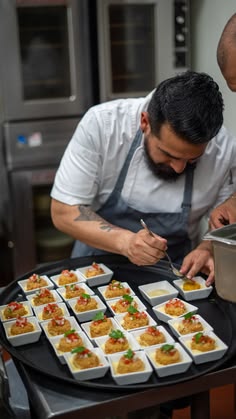
A food tasting can help you make decisions with confidence.
Instead of judging the menu only by its written description, you can experience the food and discuss adjustments.
During a tasting, pay attention to:
- Flavour
- Freshness
- Texture
- Spice level
- Balance between dishes
- Portion presentation
- Dessert quality
- Whether the overall menu feels cohesive
You can also discuss whether particular dishes work well together.
A menu may contain many individually good dishes but still feel unbalanced as a complete meal.
The tasting is an opportunity to refine the menu before the wedding rather than making major decisions at the last moment.
8. Decide on the Service Style
Food quality is important, but the way food is served also affects the guest experience.
Discuss whether your event will use:
- Buffet service
- Plated service
- Family-style service
- Live food counters
- A combination of different service formats
For many Indian weddings, buffets and live counters are popular because they offer variety and allow guests to choose according to their preferences.
However, the right choice depends on your venue, guest count, event style and available space.
Think about the complete guest journey:
Arrival → Welcome → Food → Seating → Desserts → Beverages → Departure
Good catering planning considers this entire experience rather than focusing only on what appears on the plate.
9. Plan Live Food Counters Carefully
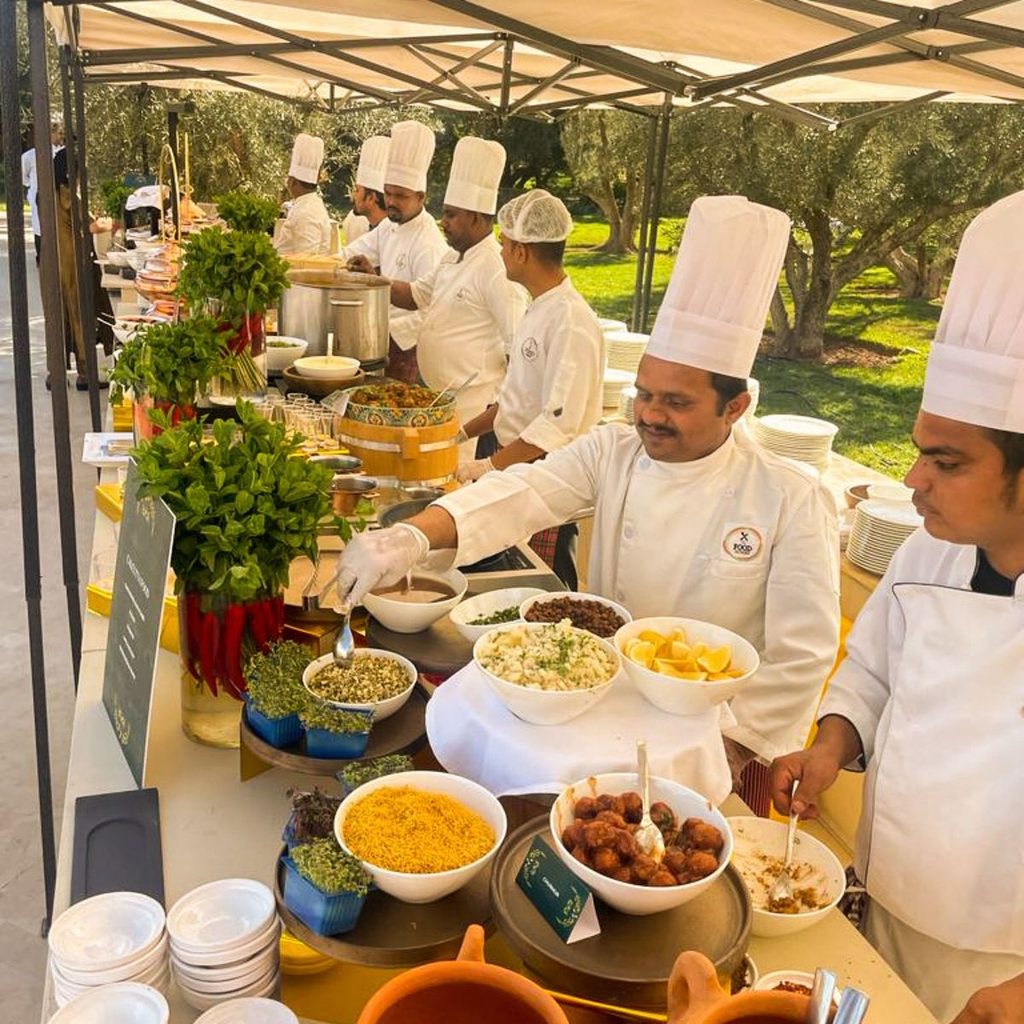
Live counters can add energy and interaction to a wedding celebration.
Depending on the menu and event, they may include items such as fresh breads, chaat, dosa, pasta or other made-to-order preparations.
But live counters require planning.
Check:
- Available space
- Electricity requirements, if applicable
- Staff requirements
- Cooking and serving time
- Queue management
- Placement within the venue
- Whether the counter complements the rest of the menu
A live counter should improve the experience rather than create unnecessary crowding.
10. Check Food Hygiene and Cleanliness
Food safety should always be part of your wedding catering checklist.
When discussing catering arrangements, ask appropriate questions about:
- Food preparation
- Cleanliness
- Food handling
- Storage
- Serving practices
- Kitchen or preparation areas
- Clean serving equipment
- Staff hygiene
- Maintaining suitable food temperatures
You do not need to become a food-service expert.
You simply need to be comfortable asking reasonable questions about how your wedding food will be prepared and served.
A beautiful buffet means little if the basic standards of cleanliness and organization are overlooked.
11. Plan the Buffet Layout
A well-planned buffet should make it easy for guests to understand where to go and what to choose.
Think about the order of the food.
A practical arrangement may move guests through:
Starters → Main Course → Breads → Rice → Accompaniments → Desserts → Beverages
The exact layout will depend on the venue and menu.
Also consider:
- Number of buffet points
- Guest movement
- Table placement
- Serving space
- Accessibility for senior guests
- Distance between live counters and buffet
- Dessert counter placement
- Beverage stations
For large weddings, the physical arrangement can be just as important as the number of dishes.
12. Coordinate With the Venue and Event Planner
Your caterer should not be planning in isolation.
Make sure the catering team understands the venue arrangements and works with the relevant event professionals.
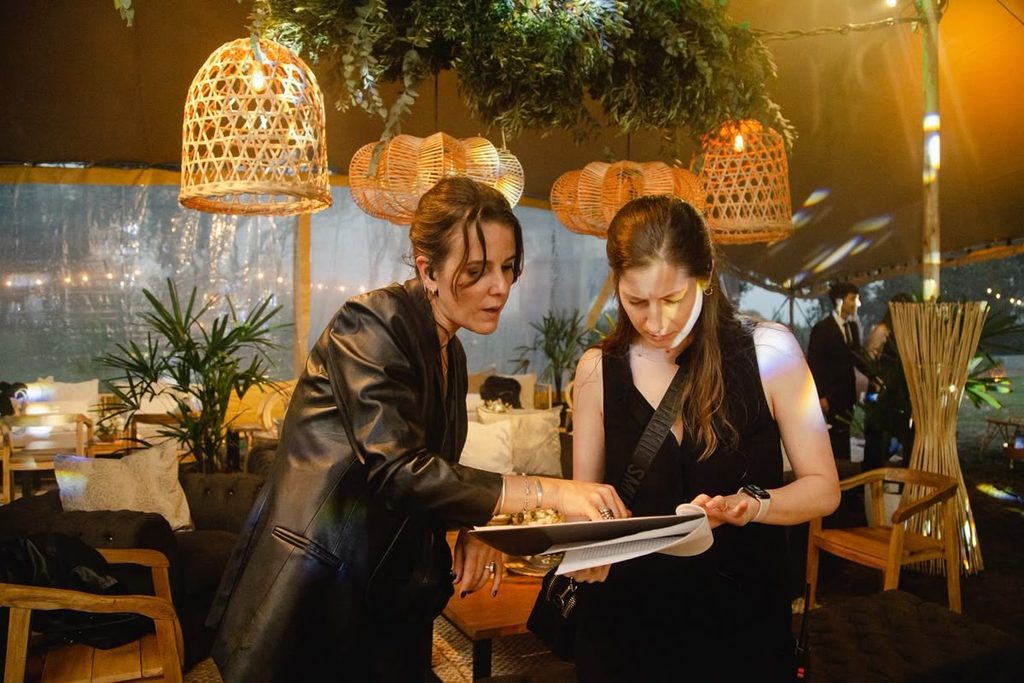
Discuss:
- Kitchen or preparation area
- Service entrances
- Buffet location
- Dining area
- Guest seating
- Electricity requirements
- Water requirements
- Waste management
- Setup and breakdown timings
- Venue restrictions
- Access for catering staff
If you have an event planner or coordinator, make sure everyone has the same information.
Good coordination behind the scenes helps create a smoother experience in front of the guests.
13. Plan the Timing of Food Service
Timing matters more than many people realize.
Food should be prepared and served according to the event schedule.
Discuss:
- When the first food service begins
- When starters should be served
- When the main buffet opens
- When live counters begin
- Dessert timing
- Beverage service
- Any gap between ceremonies and meals
Indian weddings can have changing schedules, so some flexibility is often necessary.
Your catering plan should allow the team to respond to reasonable timing changes without compromising the quality of the food or guest experience.
14. Don’t Forget Sweets and Desserts
Desserts deserve their own place on the wedding catering checklist.
Indian celebrations have a deep connection with mithai and traditional sweets, and weddings are a wonderful opportunity to include meaningful favourites.
Consider:
- Traditional Indian sweets
- Regional specialties
- Hot desserts
- Cold desserts
- Seasonal options
- Dessert counters
- Special sweets for gifting, if required
Think about quality and variety rather than simply increasing the number of desserts.
A carefully selected dessert menu can provide a beautiful ending to the meal.
15. Confirm Staffing and Guest Service
Catering is not only about what happens in the kitchen.
The service team plays an important role in how guests experience the meal.
Before the event, discuss:
- Number of service staff
- Buffet attendants
- Live counter staff
- Table service requirements
- Beverage service
- Guest assistance
- Clearing arrangements
- Coordination with the venue team
This is particularly important for larger weddings where guests may arrive at different times.
The goal is to make the service feel organized without making guests think about the organization happening behind the scenes.
16. Confirm Everything Before the Wedding
As the wedding approaches, do not rely on memory or scattered conversations.
Have one final written confirmation covering:
- Event dates
- Venue
- Function timings
- Guest estimates
- Final menu
- Special dietary requirements
- Service style
- Live counters
- Desserts
- Beverages
- Equipment
- Staffing
- Setup timing
- Venue coordination
- Final pricing and inclusions
This final review gives both the family and catering team a shared reference point.
It also reduces the chance of small misunderstandings becoming event-day problems.
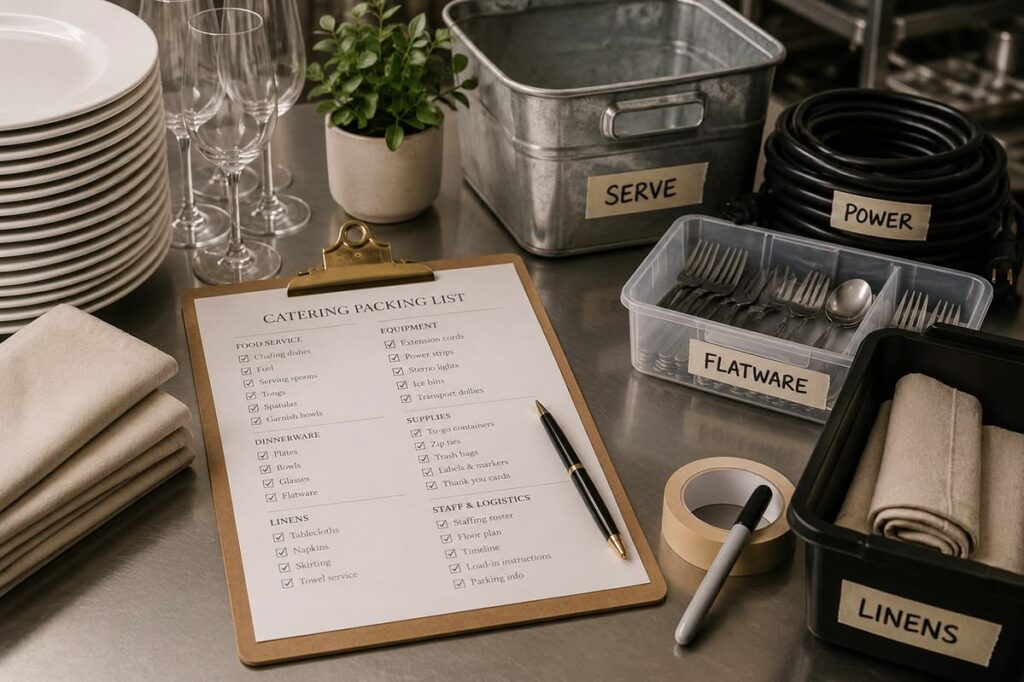
Your Master Wedding Catering Checklist
Here is a simple checklist you can save and use during your planning.
Before Booking a Caterer
☐ Confirm wedding dates and venues
☐ List all wedding functions
☐ Estimate guests for each function
☐ Decide your approximate catering budget
☐ Research suitable caterers
☐ Review their menu options
☐ Ask what is included in the package
☐ Discuss service style
☐ Ask about food hygiene and preparation
☐ Arrange a tasting if available
☐ Compare options based on quality and suitability
After Booking
☐ Finalize the menu for each function
☐ Confirm guest preferences
☐ Discuss dietary requirements
☐ Decide on live counters
☐ Select sweets and desserts
☐ Confirm beverage arrangements
☐ Plan buffet layout
☐ Confirm staffing requirements
☐ Coordinate with the venue
☐ Coordinate with the event planner or coordinator
One to Two Weeks Before the Wedding
☐ Reconfirm guest estimates
☐ Review the final menu
☐ Confirm function timings
☐ Confirm special food requirements
☐ Confirm live counter arrangements
☐ Confirm equipment and setup needs
☐ Confirm staff requirements
☐ Review venue access and setup timing
☐ Confirm final pricing and inclusions
☐ Share one final event schedule with the relevant teams
On the Wedding Day
☐ Catering team arrives on time
☐ Preparation areas are ready
☐ Buffet and service areas are properly arranged
☐ Live counters are ready before guests arrive
☐ Food is served according to schedule
☐ Service staff are available
☐ Special dietary arrangements are clearly handled
☐ Buffet areas remain organized
☐ Desserts and beverages are replenished
☐ Guest movement is comfortable
☐ Catering team coordinates with the event team throughout the celebration
Common Wedding Catering Mistakes to Avoid
Even a well-planned wedding can run into catering problems if a few important details are overlooked.
1. Choosing a Caterer Based Only on Price
Price matters, but it should not be the only deciding factor.
Food quality, service, reliability, hygiene and overall suitability matter just as much.
2. Finalizing Too Many Dishes
A very long menu may sound impressive, but more dishes do not automatically create a better dining experience.
Focus on balance and quality.
3. Ignoring Guest Flow
Even excellent food can become difficult to enjoy if guests have to stand in long queues or move through a poorly arranged buffet.
4. Leaving Dietary Requirements Until the Last Moment
Special requirements should be discussed early so everyone understands what needs to be arranged.
5. Not Confirming Inclusions
Always understand what your catering quotation includes.
Clear expectations prevent last-minute confusion.
6. Forgetting the Timing
Food should fit naturally into the wedding schedule.
Coordinate the catering timeline with ceremonies, speeches, entertainment and other major parts of the event.
What Should Be Included in a Wedding Catering Checklist?
At a minimum, your checklist should cover five major areas:
Food: Menu, tasting, sweets, beverages and dietary requirements.
People: Guest count, service staff and special guest needs.
Place: Venue, kitchen or preparation space, buffet layout and guest flow.
Timing: Setup, food service, live counters and coordination with the wedding schedule.
Communication: Final menu, pricing, inclusions, responsibilities and event-day contacts.
When these five areas are clearly planned, catering becomes much easier to manage.
How Early Should You Start Wedding Catering Planning?
There is no single timeline that works for every wedding.
The right timing depends on the wedding date, size, number of functions, venue and availability of your preferred catering team.
However, it is sensible to start the conversation early enough to compare options, understand pricing, arrange tastings and finalize the menu without unnecessary pressure.
If you already know your venue and approximate guest count, that is a good point to begin discussing catering.
How to Plan Food for an Indian Wedding
Planning food for an Indian wedding is about finding the right balance between tradition, variety and practicality.
Start by understanding each function.
Then consider the guests, season, timing and overall celebration style.
Build the menu in sections rather than simply adding dishes one by one.
Include foods that feel familiar and meaningful, while allowing room for newer choices where appropriate.
Most importantly, remember that the menu is only one part of the experience.
The food should arrive at the right time, be served well and make guests feel welcomed.
The Annmay by MSC Approach
At Annmay by MSC, we believe catering is about more than preparing food for an event.
It is about being part of a celebration where families come together, guests share meals and important moments become memories.
That is why thoughtful planning matters.
From understanding the nature of an event to thinking about the menu, service and guest experience, every part of catering contributes to the way a celebration feels.
Our approach is guided by a simple philosophy:
Love Everyone. Serve Everyone. Remember God.
For us, hospitality begins with respect for every guest and an understanding that serving food is also an opportunity to serve people with warmth and care.
Final Thoughts
A wedding catering checklist may look like a collection of small details, but those details can make a significant difference.
The guest count affects the quantity.
The venue affects the setup.
The event timing affects the service.
The guest preferences affect the menu.
The menu affects the preparation.
And all of these things come together to create the final dining experience.
The best wedding catering plans are not necessarily the ones with the longest menus.
They are the ones where the food, service, timing and hospitality work together naturally.
So as you plan your wedding, take the time to ask the right questions, communicate clearly with your caterer and confirm the important details before the celebration begins.
Because when everything comes together, catering becomes more than a service.
It becomes part of the celebration itself.
Looking for Wedding Catering?
If you are planning a wedding or family celebration and looking for a catering team that values food, service and hospitality, Annmay by MSC would be happy to be part of your celebration.
Love Everyone. Serve Everyone. Remember God.