
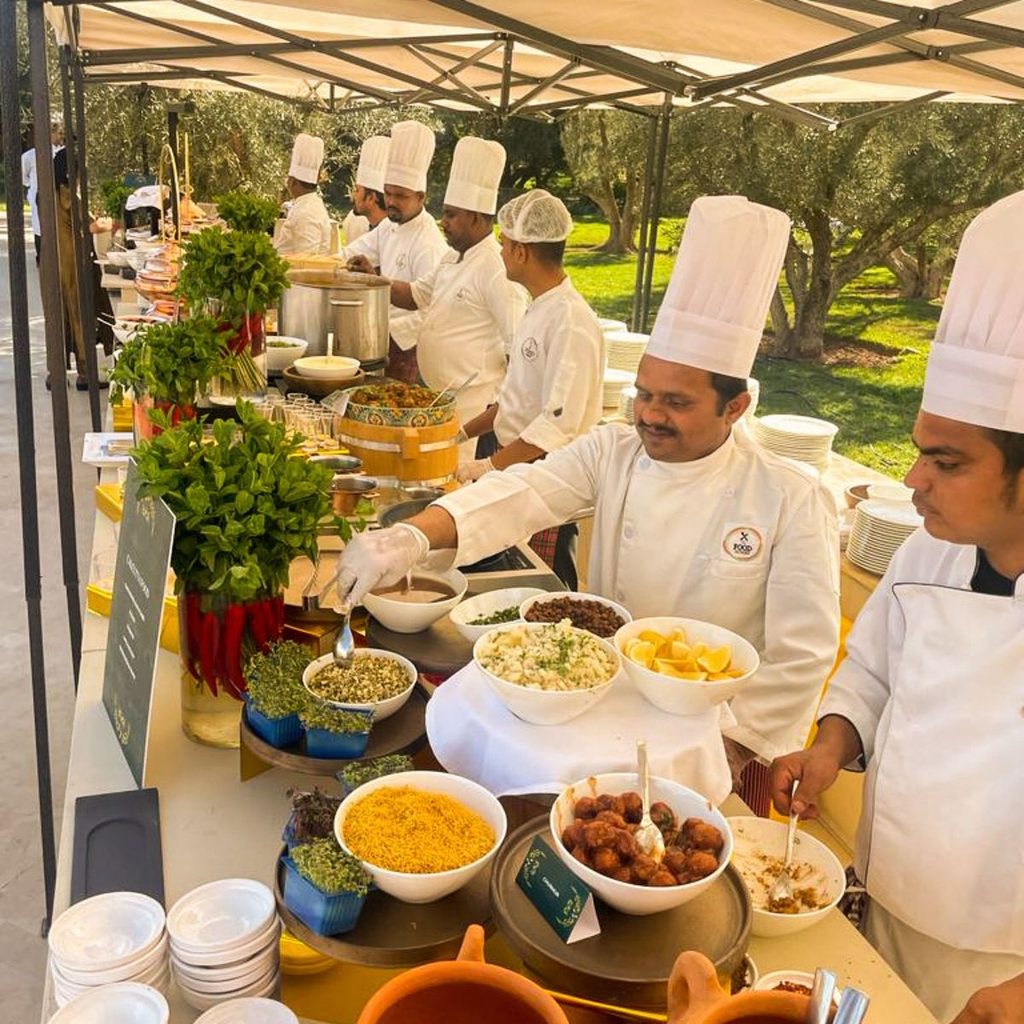
What Every Event Host Should Ask About
When you invite people to an event, you are not only serving them food. You are also taking responsibility for their overall dining experience.
That is why catering hygiene should be an important part of choosing an event caterer.
Whether you are planning a wedding, family function, religious gathering, birthday celebration or corporate event, food should be prepared, handled and served with proper attention to cleanliness and hygiene.
While taste and presentation are important, they are only part of good catering.
A responsible host should also understand how the caterer approaches food preparation, storage, transportation, serving and cleanliness.
Why Catering Hygiene Matters
Large events involve many moving parts.
Food may be prepared in large quantities, transported to a venue, kept ready for service and served to many guests within a limited period.
Good hygiene practices help support:
- Clean food preparation
- Proper food handling
- Safe storage
- Clean serving areas
- Organised kitchen operations
- Better guest confidence
- A more professional catering experience
For a host, asking the right questions before booking a caterer can provide greater confidence in the arrangements.
1. Ask About the Food Preparation Process
One of the first things to understand is how the caterer manages food preparation.
You can ask:
- Where is the food prepared?
- How is the preparation area maintained?
- How are ingredients handled?
- How is cleanliness maintained during large-scale preparation?
- How are prepared dishes kept protected before service?
A professional conversation about these processes can tell you a lot about how seriously hygiene is taken.
2. Ask How Ingredients Are Handled
Good food begins with properly handled ingredients.
Ask the caterer how ingredients are:
- Received
- Checked
- Stored
- Cleaned or prepared
- Organised before cooking
Fresh ingredients and careful handling are important parts of maintaining food quality.
For large events, organisation becomes even more important because many ingredients may be used at the same time.
3. Understand Storage Practices
Different ingredients and prepared foods may require different storage conditions.
When discussing catering arrangements, ask how the team manages storage before the food is served.
This is particularly important for events where food preparation begins well before guests arrive.
Proper storage planning helps maintain the quality of food throughout the catering process.
4. Ask About Food Transportation
If food is prepared away from the event venue, transportation becomes another important part of the process.
Ask:
- How is food transported to the venue?
- How are containers kept clean?
- How is food protected during transportation?
- How is the timing coordinated with the event?
Transportation should be planned carefully so food reaches the venue ready for the next stage of service.
5. Pay Attention to the Catering Team’s Cleanliness

The people handling food are an important part of catering hygiene.
A host can reasonably expect the catering team to maintain appropriate personal cleanliness and professional food-handling practices.
This includes attention to:
- Clean clothing or uniforms
- Clean hands
- Appropriate food-handling practices
- Organised work areas
- Clean serving equipment
Professional presentation and cleanliness should go together.
6. Ask How the Kitchen or Preparation Area Is Organised
A well-organised food preparation area can make catering operations smoother.
If you have an opportunity to see the preparation setup, pay attention to whether it appears:
- Clean
- Organised
- Well maintained
- Suitable for the scale of the event
You do not need to inspect every detail yourself.
However, asking questions and understanding the general process can help you make a more informed decision.
7. Discuss Clean Serving Equipment
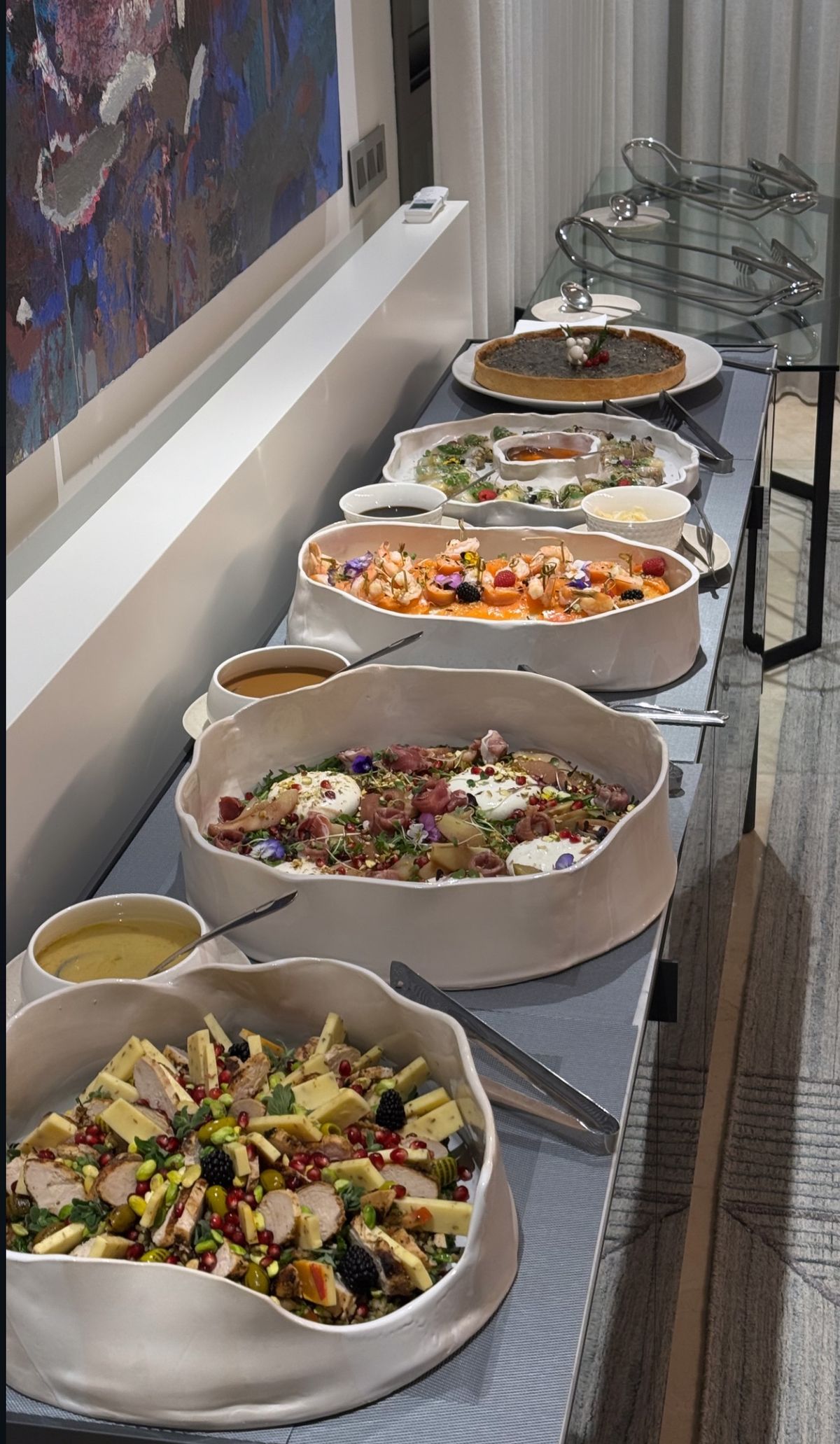
Food can be prepared carefully but still have problems if serving equipment is not properly managed.
Ask how the caterer handles:
- Serving spoons
- Chafing dishes or food containers
- Plates and bowls
- Glasses
- Trays
- Dessert serving equipment
Clean serving equipment contributes to a better overall dining experience.
8. Think About Buffet Hygiene
Buffet service requires special attention because guests are serving themselves or are being served from a common food display.
A well-managed buffet should have:
- Clean serving areas
- Appropriate serving utensils
- Organised food placement
- Regular attention from staff
- Proper replenishment
- Clean surroundings
The buffet should also be monitored throughout the service rather than simply arranged at the beginning and left unattended.
9. Ask How Food Is Replenished
Large events often require food to be replenished during service.
Instead of placing the entire quantity out at once, caterers may manage replenishment according to the flow of guests and the needs of the event.
Ask:
How will the food be replenished during the event?
This helps you understand how the caterer plans to maintain a clean, organised and presentable buffet.
10. Consider the Timing of Food Service
Timing and food quality are closely connected.
Food should be prepared and served according to a well-planned schedule.
Ask the caterer:
- When will preparation begin?
- When will the food arrive at the venue?
- When will the buffet or service area be ready?
- How will the team coordinate with the event schedule?
Good timing helps the catering team manage food service more effectively.
11. Ask About Cross-Contact and Special Dietary Requirements
If your guests have specific dietary requirements, communicate them clearly with the caterer.
This may include:
- Jain food
- No-onion or no-garlic preferences
- Allergies
- Vegetarian requirements
- Other ingredient restrictions
Ask how the catering team plans to manage these requirements and keep the relevant dishes clearly identified.
Specific requirements should be discussed before the event, not when guests are already arriving.
12. Keep Different Food Preparations Organised
When a large menu is being prepared, organisation becomes especially important.
Different ingredients, dishes and preparations should be managed systematically.
This is particularly relevant when a catering team is handling:
- Multiple starters
- Several main-course dishes
- Desserts
- Special dietary meals
- Live food counters
Good organisation can support both efficiency and cleanliness.
13. Ask About Cleaning During the Event
Hygiene does not end when the buffet opens.
During an event, serving areas can become busy very quickly.
Ask how the catering team manages:
- Spills
- Used plates and utensils
- Buffet cleanliness
- Waste
- Table cleanliness
- General dining-area maintenance
A catering team should pay attention to the environment throughout the event.
14. Do Not Forget Drinking Water and Beverages

Beverage service is also part of the guest experience.
Whether the event includes water stations, juices, traditional drinks, tea or other beverages, the service area should be clean and organised.
Think about:
- Clean glasses
- Beverage containers
- Serving equipment
- Refilling
- General cleanliness around the station
Small details can make a significant difference to guest comfort.
15. Ask About Venue Coordination
Catering hygiene also depends on the venue setup.
Before the event, the caterer may need to coordinate with the venue regarding:
- Kitchen or preparation space
- Water access
- Waste disposal
- Buffet placement
- Service areas
- Cleaning arrangements
- Power or equipment requirements
Discussing these details early can prevent confusion on the event day.
16. Understand the Difference Between Hygiene and Presentation
A beautifully decorated buffet is not necessarily a hygienic buffet.
Similarly, simple presentation does not mean poor hygiene.
These are two different aspects of catering.
Presentation is about how food and the service area look.
Hygiene is about how food, equipment, ingredients and preparation areas are handled.
The best catering experience pays attention to both.
17. Look for Professional Organisation
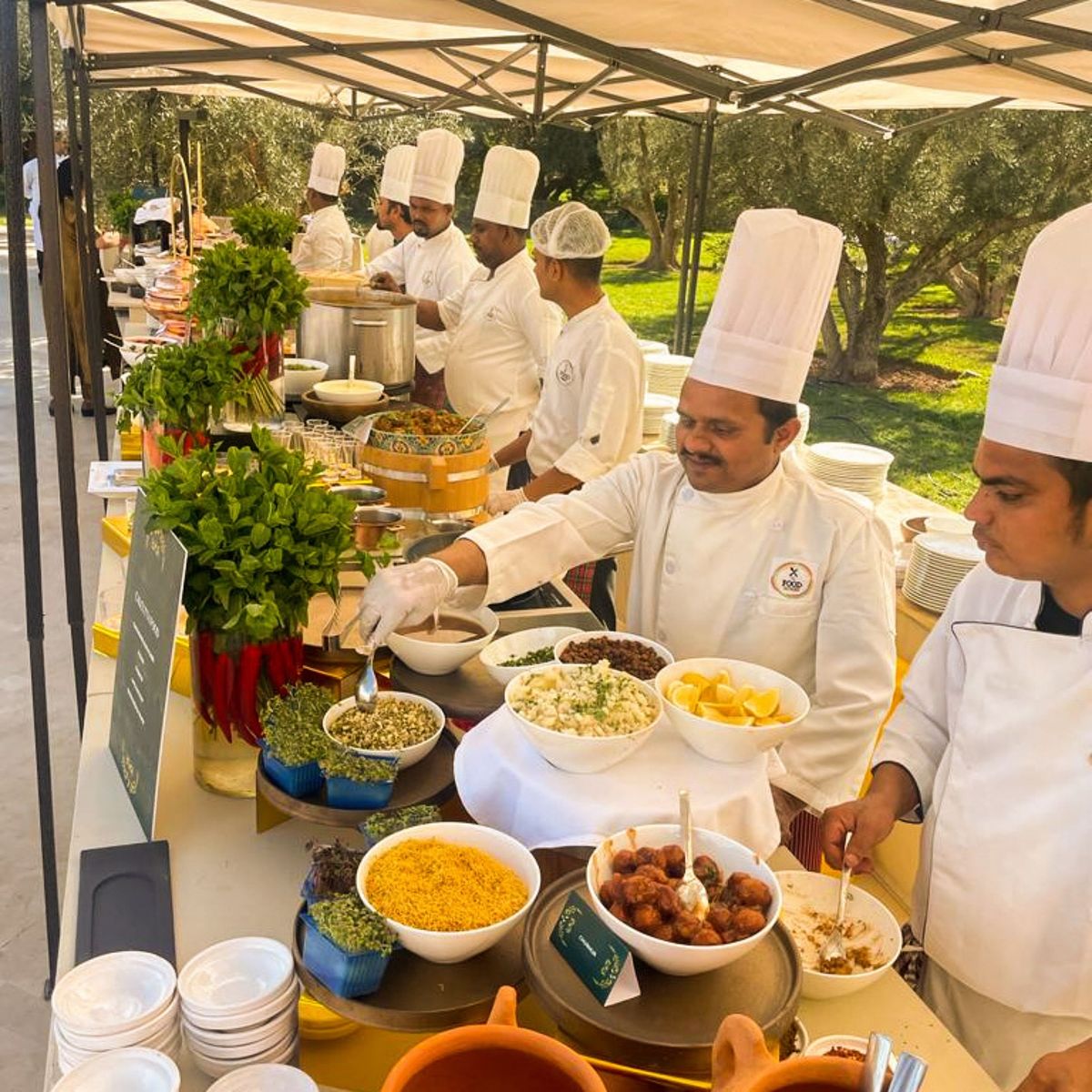
When evaluating a caterer, observe how they communicate.
Do they ask about:
- Guest numbers?
- Event timings?
- Venue arrangements?
- Dietary requirements?
- Service style?
- Menu details?
A caterer who pays attention to these practical details is more likely to approach the event in an organised way.
Hygiene is part of that larger professional approach.
18. Questions to Ask Your Caterer About Hygiene
Before confirming your booking, consider asking:
- Where will the food be prepared?
- How are ingredients stored and handled?
- How will food be transported to the venue?
- How is the catering team trained or briefed on food handling?
- How are serving utensils and equipment kept clean?
- How will the buffet be monitored during service?
- How is food replenished?
- How are special dietary requirements managed?
- What cleaning arrangements are needed at the venue?
- How will the catering team coordinate with the venue?
You do not need complicated technical answers.
What matters is that the caterer can clearly explain their approach and responsibilities.
19. A Simple Catering Hygiene Checklist
Before Booking
- Ask about food preparation
- Understand ingredient handling
- Discuss storage
- Ask about transportation
- Discuss dietary requirements
Before the Event
- Confirm venue preparation areas
- Confirm buffet and service locations
- Discuss cleaning arrangements
- Confirm event timings
- Confirm special food requirements
During the Event
- Keep serving areas organised
- Monitor buffet cleanliness
- Replenish food appropriately
- Keep utensils and serving equipment clean
- Maintain dining-area cleanliness
- Manage waste properly
Common Mistakes Hosts Should Avoid
Choosing a caterer based only on taste
Food quality matters, but hygiene and service should also be considered.
Never asking about food handling
It is reasonable for a host to ask how food will be prepared, transported and served.
Leaving special dietary requirements until the event day
Important food requirements should be communicated early.
Ignoring the venue setup
A good catering plan also needs to work with the physical space available at the venue.
Assuming hygiene is only about the kitchen
Food handling, transportation, buffet service and cleaning are all part of the wider catering process.
Focusing too much on appearance
A beautiful buffet is valuable, but presentation should support—not replace—good hygiene practices.
Frequently Asked Questions
What should I ask a caterer about hygiene?
Ask about food preparation, ingredient handling, storage, transportation, serving equipment, buffet management, cleaning and special dietary requirements.
Is catering hygiene important for small family functions?
Yes. Hygiene matters whether you are hosting a small family gathering or a large wedding. The scale may change, but clean food handling remains important.
How can I tell if a caterer takes hygiene seriously?
Ask clear questions about their preparation, storage, transportation and service processes. Their willingness and ability to explain these practices can help you understand their approach.
Should I ask about hygiene before booking a caterer?
Yes. It is better to discuss important catering practices before confirming your booking rather than making assumptions later.
Does buffet catering require extra attention to hygiene?
Buffet service requires careful organisation because food remains available for guests throughout the service period. Clean serving areas, appropriate utensils and regular monitoring are important.
The Annmay by MSC Approach
At Annmay by MSC, we believe that serving people well means paying attention to the complete catering experience.
Food should be prepared with care, presented thoughtfully and served with attention to cleanliness and guest comfort.
For us, hospitality is not only about what appears on the plate.
It is also about the care behind it.
From planning the menu to coordinating service, every part of an event contributes to how guests experience the occasion.
We believe that good food deserves good handling, and good hospitality begins with genuine care for the people we serve.
Our philosophy is simple:
Love Everyone. Serve Everyone. Remember God.
Final Thoughts
Choosing a caterer is an important decision, and food hygiene should be part of that conversation from the beginning.
You do not need to become a food-safety expert to ask sensible questions.
Understand how the caterer approaches preparation, storage, transportation, service and cleanliness. Discuss dietary requirements early. Coordinate with the venue. Most importantly, choose a catering team that communicates clearly and treats the responsibility of serving guests seriously.
Because when people come together for an important occasion, they deserve more than good food.
They deserve food served with care.
If you are planning a wedding, family function, religious gathering or other celebration and looking for a catering team that values food, service and hospitality, Annmay by MSC would be happy to be part of your celebration.
Love Everyone. Serve Everyone. Remember God.